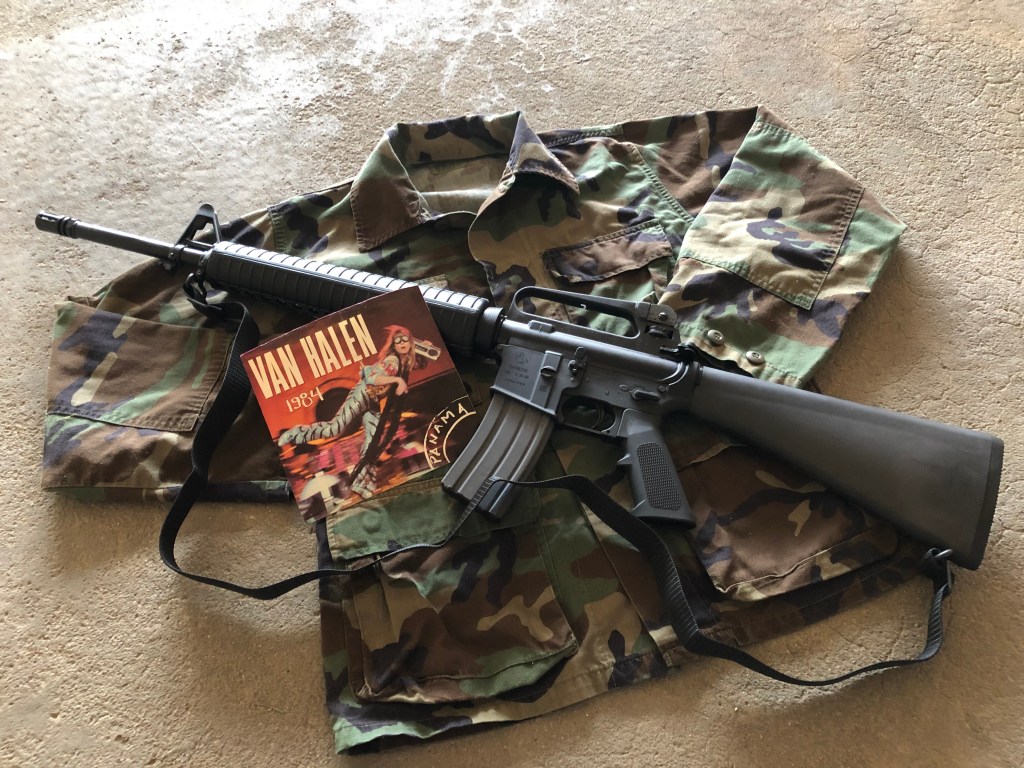
The M16A2 is a rifle that evokes nostalgia in a way that I want to be the hallmark of this site. Its service life spanned the post-Vietnam Cold War and well into the War on Terror, persisting long enough for even me to be issued one in the 2010s. But I think the late millennial and Gen Z nostalgia comes more from the films that we grew up on (GoldenEye, The Rock, and Black Hawk Down, to name a few) and the NATOwave aesthetic. To me, though, the M16A2 most importantly represents the last true “rifleman’s rifle,” coming from an era where marksmanship was the most important of the basic soldiering skills.
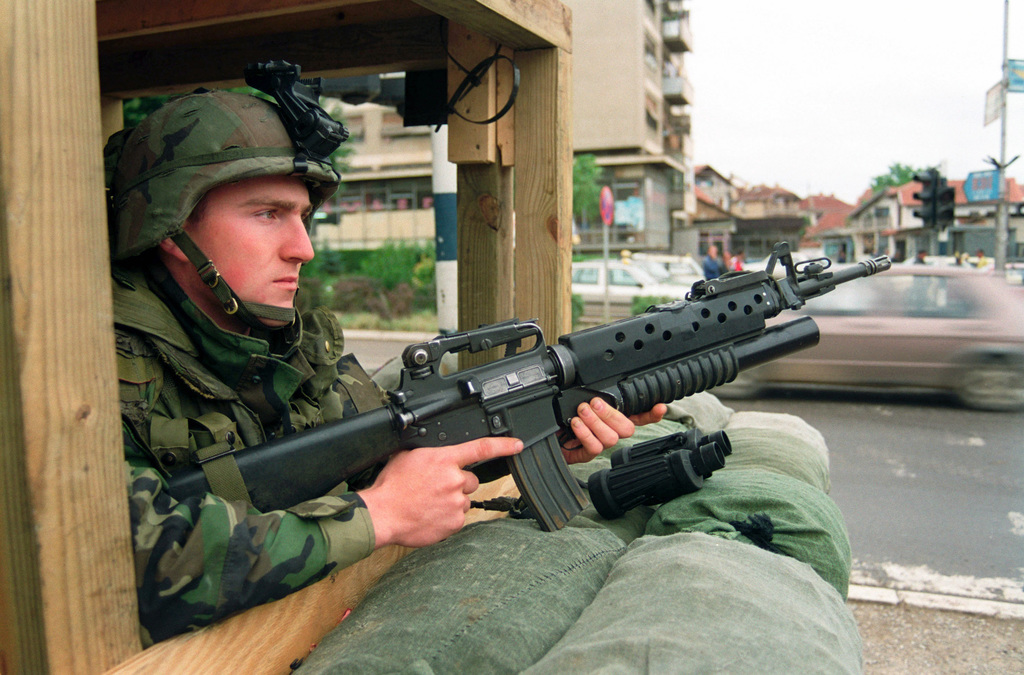
The M16A2 is the second generation of the M16 rifle, being adopted by the US military starting with the Marine Corps in 1983. Many of the changes made to the rifle from the original M16A1 famously earned the ire of the initial designer, Eugene Stoner. He believed that the material added to the front of the barrel did nothing for rigidity and only added weight in the place where the Soldier would least want it. He deplored the move to a three-round burst fire selector, as GIs were still facing AKs with full auto capabilities. He did appreciate the new clamshell style handguards, in that the upper and lower handguards were identical, reducing the number of parts that armorers would have to keep stocked.
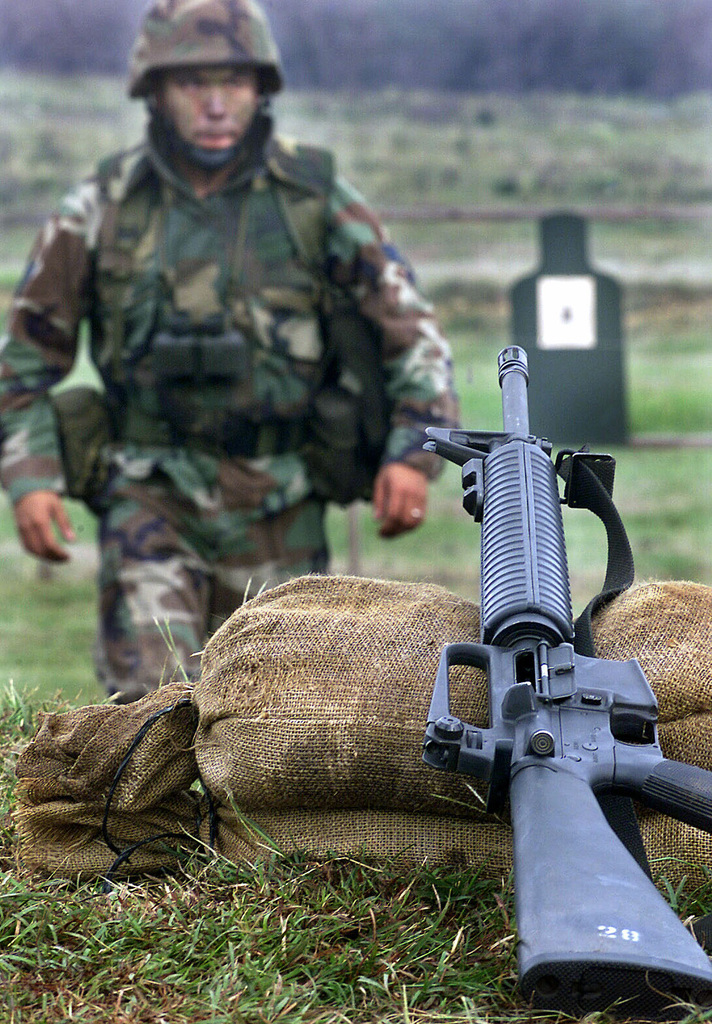
My favorite feature of the M16A2 is the adjustable rear sight. It added complexity over the A1, but the A2 is windage adjustable without a tool and includes an elevation knob for those interested in more than a battle zero. While the elevation knob is normally left on the 300 meter setting, it can be dialed all the way up to 800 meters for any area targets at that distance.
This post is not intended to be a detailed review of the M16A2, but mostly a justification for my own rifle, built with a Fulton Armory complete upper receiver and a Colt “carbine” marked complete lower receiver. I have far too few rounds through the rifle to comment on any long term assessment other than to say that both the upper and lower feel quality and that the rifle is certainly more accurate than I am. Fulton Armory advertises a “national match” barrel which I have been impressed with. While I do enjoy shooting more than collecting, this is certainly a collector’s purchase. In good conscience, I cannot recommend an M16 clone as a practical rifle in the age of free floated MLOK handguards and adjustable stocks. There are better, lighter, more modular rifles out there. But if you have your collection of SBRs and want something old school, there is no M16 more aesthetic. Don your M81 BDUs and your ALICE gear and get ready to jump into Panama.
 OD Green Society